
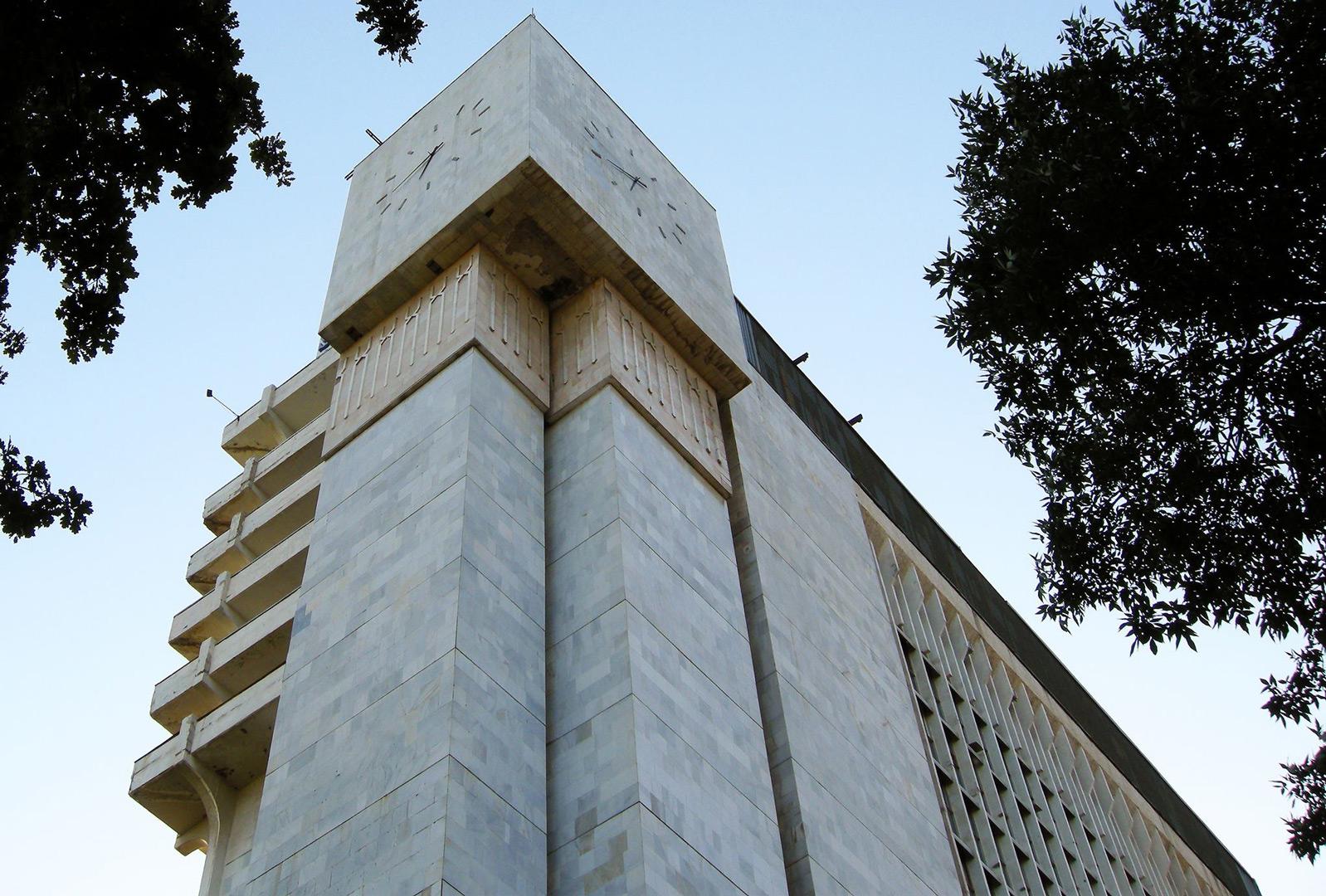
Among the series of structures built for the 50th anniversary of the UzSSR, the 16-story building of the “Sharq” publishing complex, now the UzA administrative building, holds a special place.
Tashkent is generally not
spoiled with high-rises, and this building—with its clock and black screen for
displaying news and advertisements—fits successfully into the city center
panorama and visually “anchors” it. It is especially striking when viewed from
the TSUM side and Mustakillik Square, where it harmoniously “interacts” with
the volume of the Museum of History (formerly the Lenin Museum).
Project authors: architects
R. Bleze, A. Gorbenko, L. Vladimirov, O. Grishko, and L. Khristich. Engineers:
Ye. Patlis, M. Ryzhevsky, N. Valuev, Z. Shutyaeva, B. Marinich, and F. Ganiyev.
In 2012, the building was
reconstructed: marble cladding slabs, which had begun to fall off and posed a
danger to passersby, were replaced with plastic. This disrupted the
proportions, and the decorative belt beneath the clock and the antenna mast
disappeared. As a result, according to architecture historian B. Chukhovich,
the building lost its original brutalist character.
In 2023, the high-rise, along with the
publishing complex, was put up for sale, but the Cultural Heritage Agency
announced that the object is included in the National Register of Cultural
Heritage and such buildings are not subject to privatization.
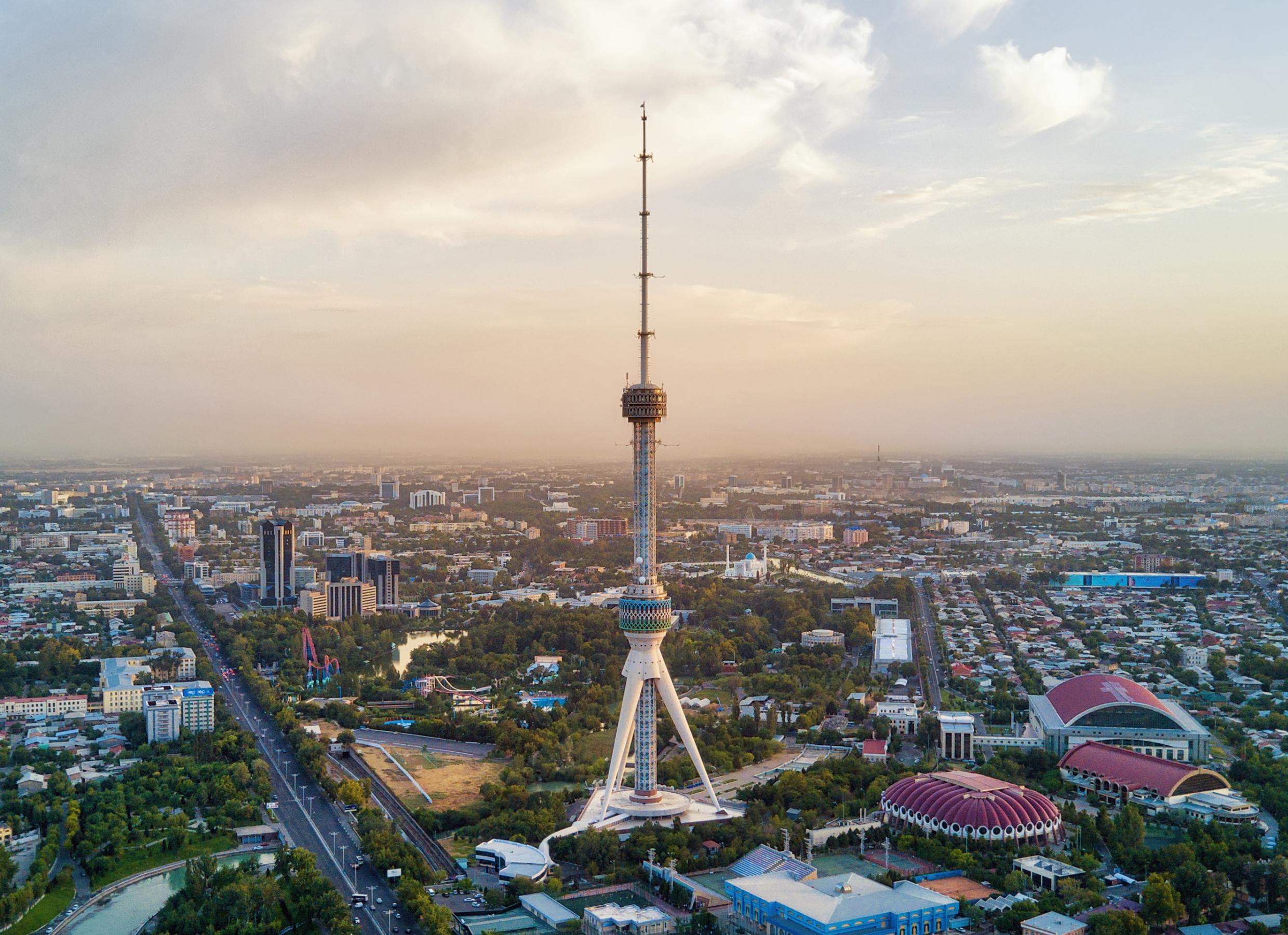
In January 2025, one of Tashkent’s symbols — our TV tower — turned 40 years old. Originally design...
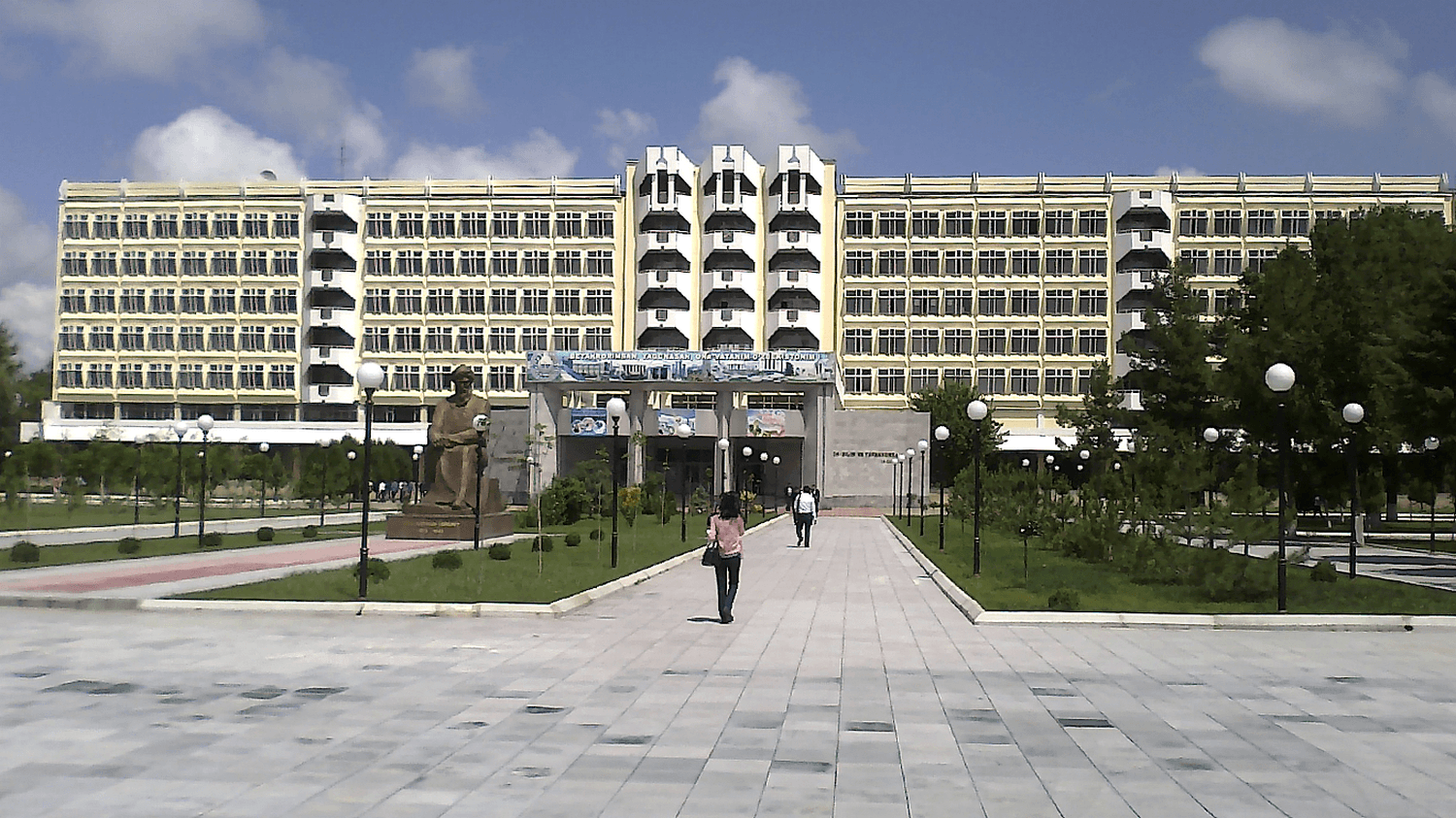
In the north-west of the city lies Tashkent’s largest architectural complex — the university campu...
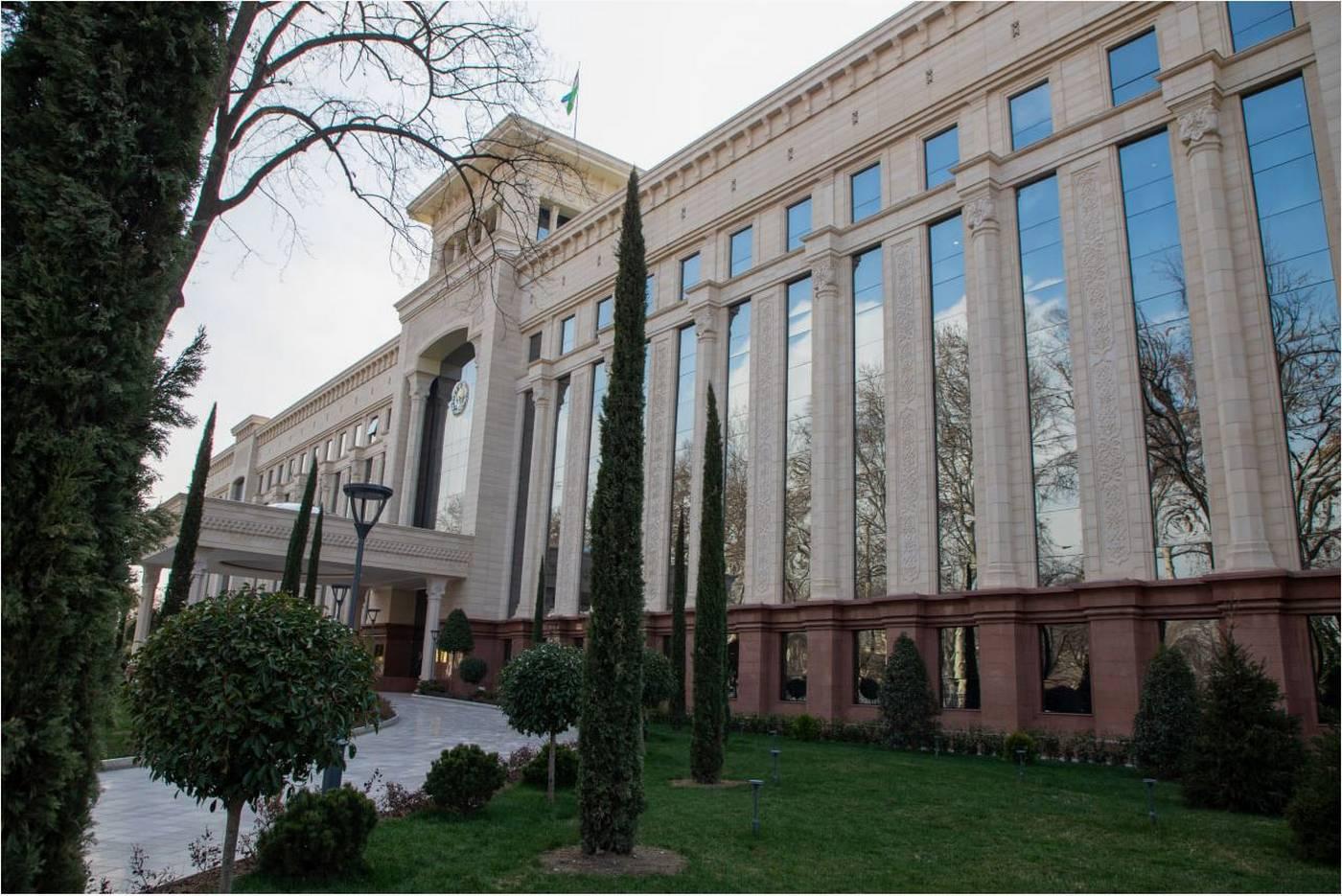
The Senate building on Islam Karimov Street (formerly Uzbekistan Street) was constructed in the ear...
One of the first buildings on the planned Navoi Avenue was the “Rodina” (“Vatan”) cinema. It appear...