
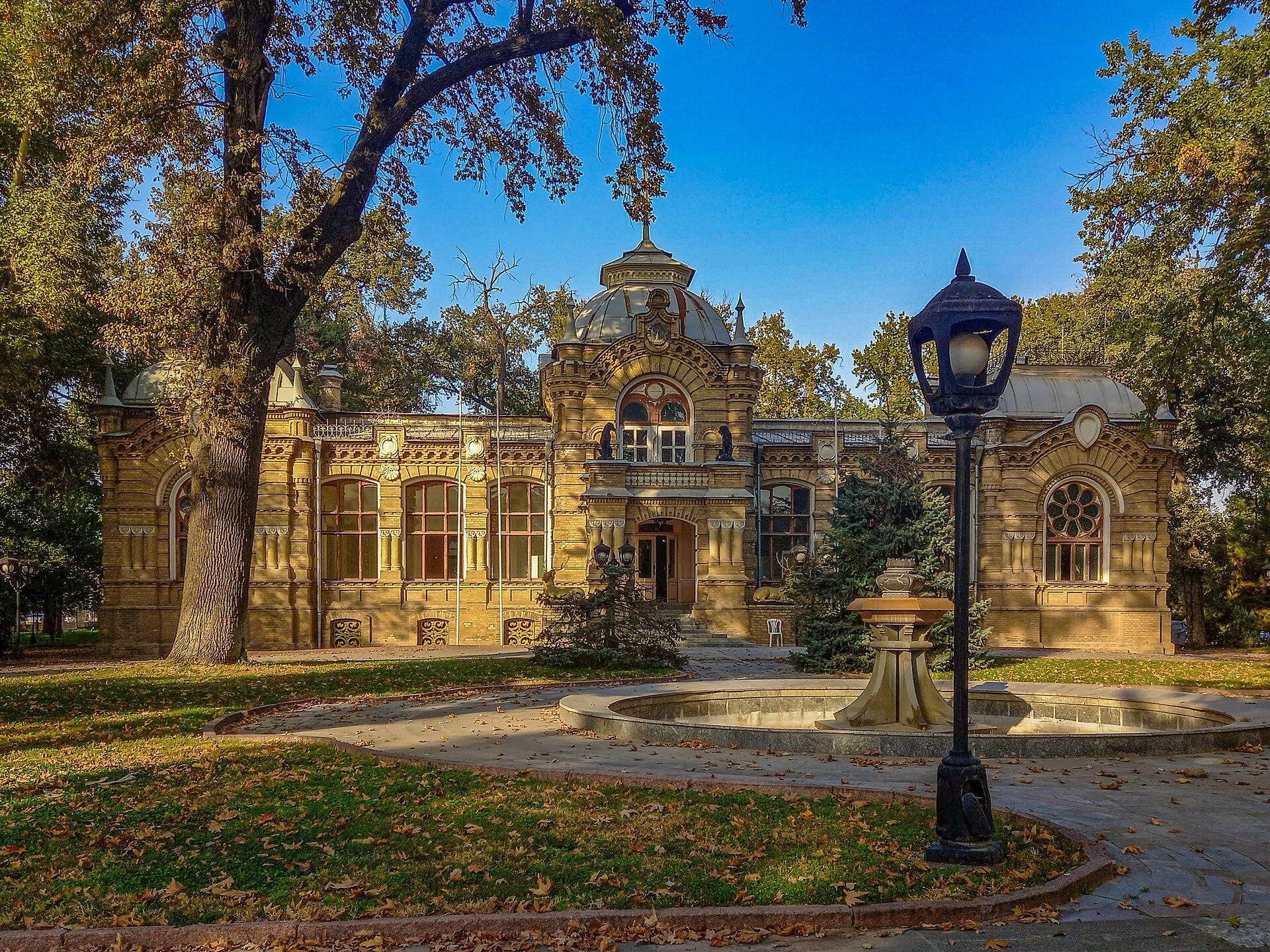
Buildings constructed in the European Art Nouveau style in Tashkent can be counted on one hand—all are well-known. Among them, and in Tashkent’s architecture in general, a special place is occupied by the palace of Grand Duke Nikolai Konstantinovich Romanov, built in 1891 by architects V. S. Heinzelman and A. L. Benois.
Exiled
to Tashkent, the Grand Duke engaged in entrepreneurship and owned several
enterprises in the city. He opened a soap factory, photographic studios,
billiard halls, organized kvass sales, rice processing, and cotton
manufactories. With funds earned from business, he built Tashkent’s first
cinema—"Khiva"—and, using his own money, laid irrigation canals in
the Hungry Steppe.
The
Grand Duke was a collector. His collection of European and Russian paintings,
brought from St. Petersburg, formed the basis for the creation of the Tashkent
Museum of Arts in 1919, which now boasts one of the richest collections of
European painting among art museums in Central Asia.
The
memory of the Grand Duke in Tashkent is preserved by his palace, built from gray-yellow
fired brick. The building is an elongated two-story structure with specially
equipped basement living quarters where coolness was maintained even in the
heat. The basement also housed a spacious kitchen. Round towers were built on
the palace’s flanks, harmoniously integrated with the building’s
architecture.
On
the grounds around the palace, the renowned Tashkent botanist and pharmacist I.
I. Krause laid out a garden. At the building’s entrance stand dog sculptures,
and on both sides of the staircase—bronze deer.
The
palace changed owners multiple times. Until the early 1990s, it housed the
Republican Palace of Pioneers, the Museum of Antiques and Jewelry Art of
Uzbekistan, and later the Reception House of the Ministry of Foreign Affairs.
In
February 2020, the Ministry of Culture of Uzbekistan announced the opening of a
museum in the palace following its reconstruction, the exact date of which has
not yet been determined.
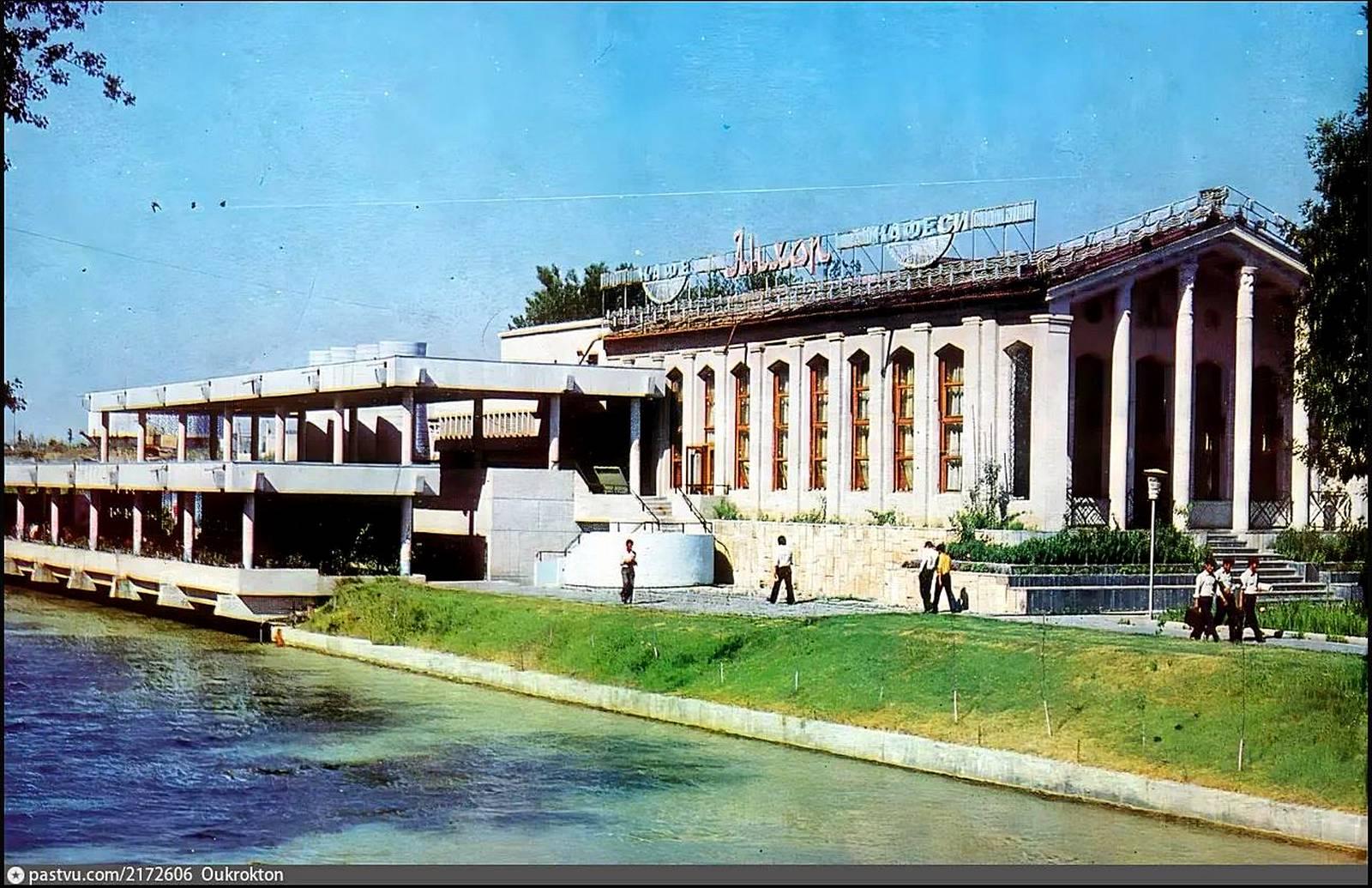
The teahouse on the Anhor canal bank was built in 1956 according to the design of architect V. M. D...
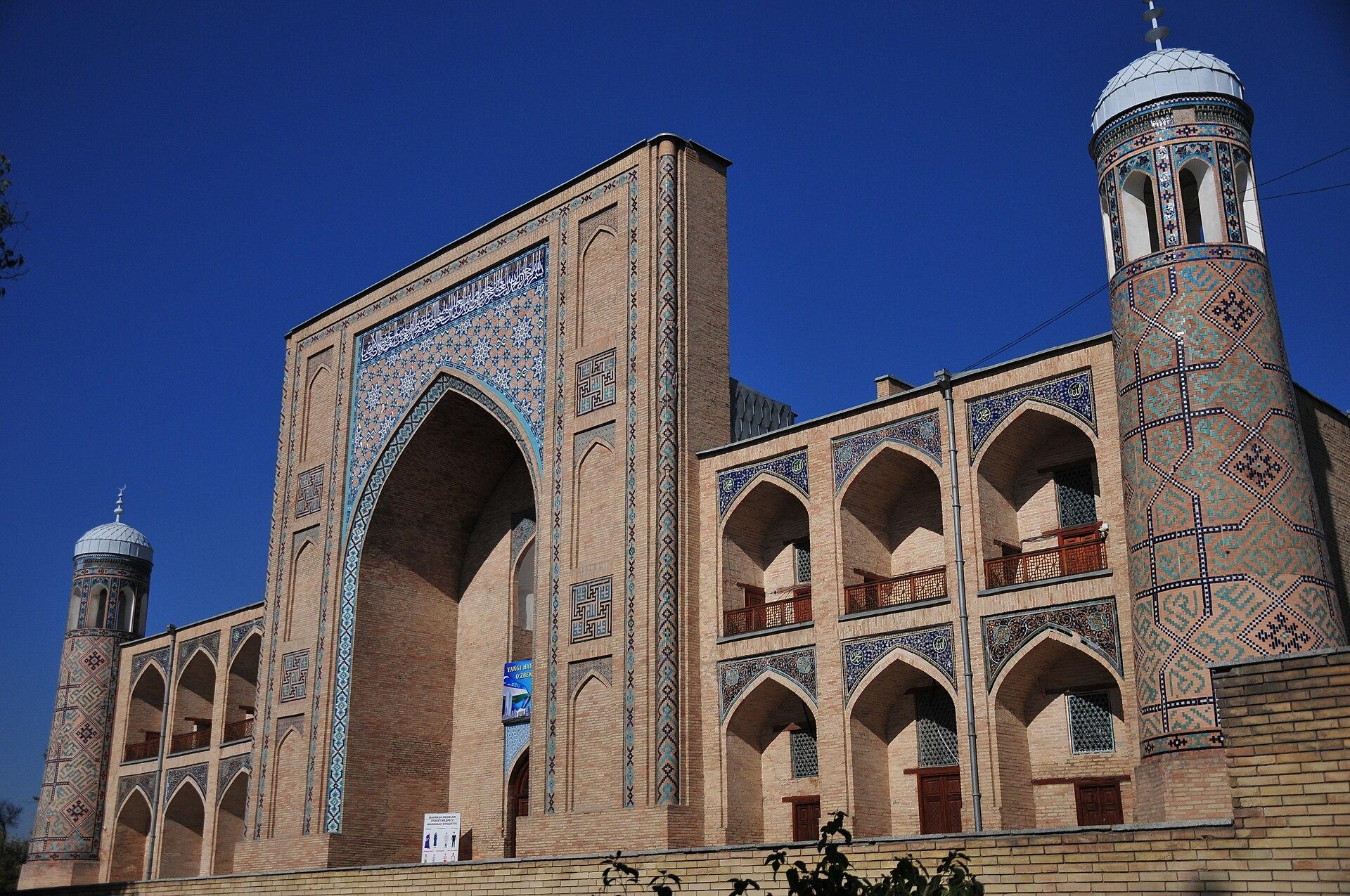
The Kukeldash Madrasah is located on a hill in Chorsu Square and looks majestic even despite its cl...
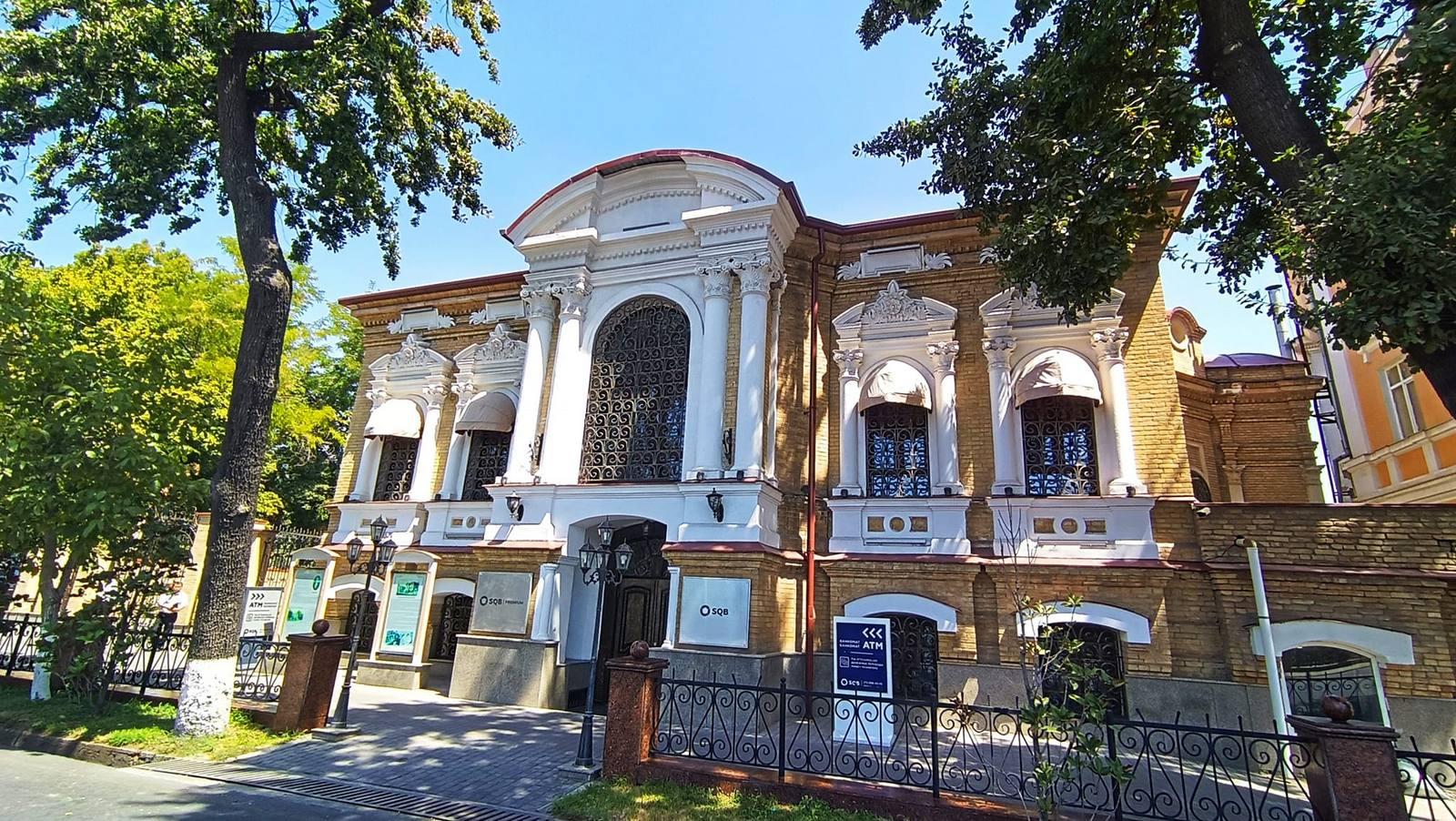
The beautiful building on the Square was constructed in 1895 by architect V. S. Heinzelman and was ...
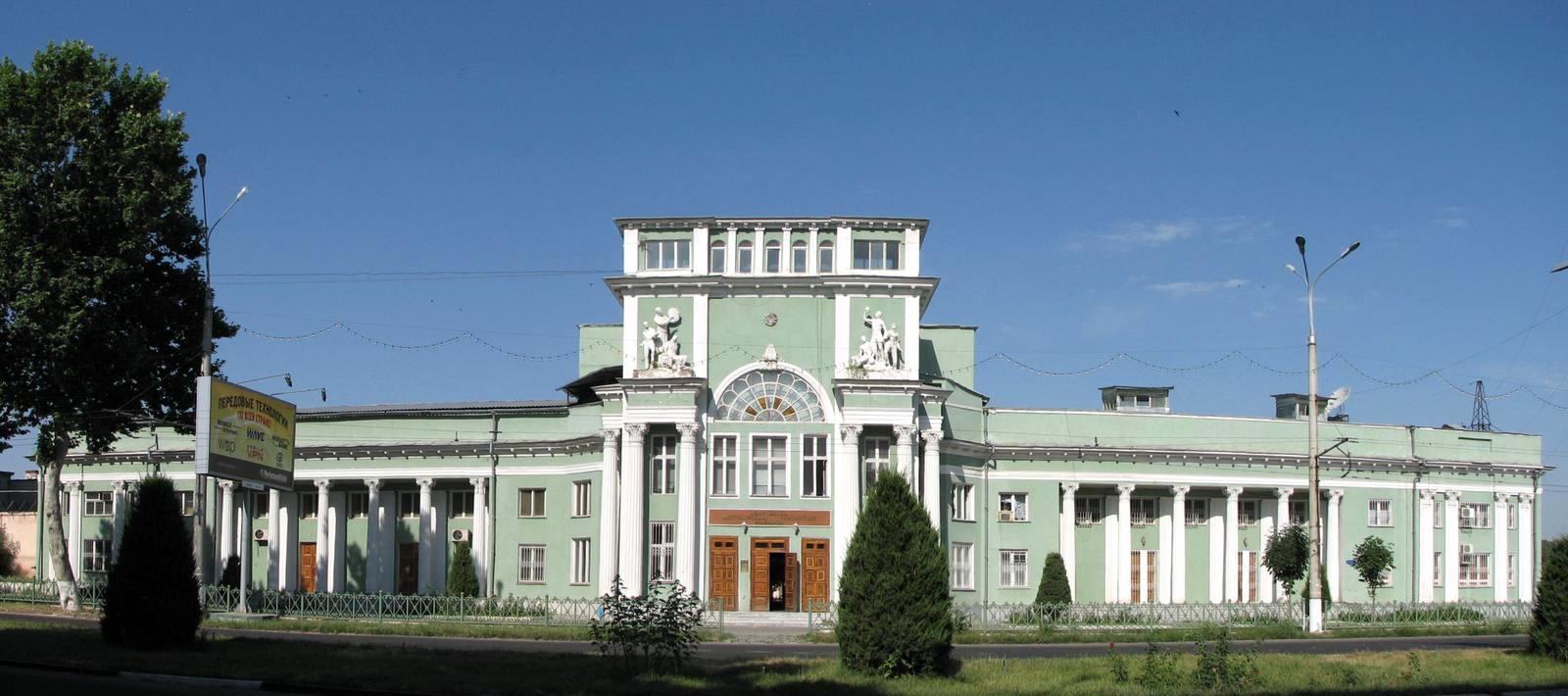
The Shoemakers’ Palace of Culture of Tashkent Production Shoe Association No. 1 was built in 1936 a...